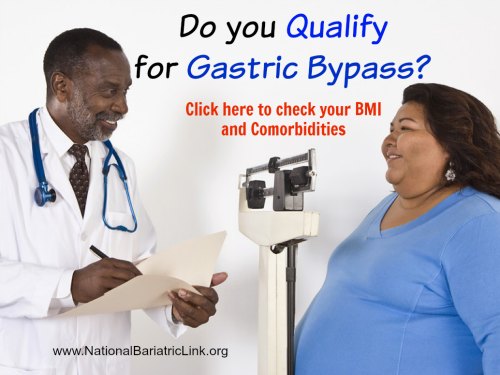
If you have a strong desire to improve your health but diet after diet has failed to provide the weight loss results that you need, it may be time to consider Gastric Bypass or other Bariatric Surgery. To qualify for any surgical weight loss procedure, you should be considered morbidly obese, which means having a BMI of 35 or higher. Other possible qualifiers for Gastric Bypass or other Bariatric surgeries include any of the following conditions:
Established by the National Institute of Health in 1991, Body Mass Index was created as a form of measurement used to determine an individual’s body weight versus square metered height. More commonly referred to as BMI, the results of this measurement will normally fall between 20 and 70 kilograms per square meter. The National Institutes of Health Consensus Panel suggests those who qualify for weight loss surgery, including Gastric Bypass, should meet one of the following:
35+ BMI with any obesity related medical condition
40 or more BMI, with or without an obesity related medical condition,
In addition, the Consensus Panel also noted the importance of pre and post-surgical care, including but not limited to Bariatric doctors, therapists and nutritionists. With adequate professional help and nutritional support, Bariatric patients can successfully manage their eating, exercise and lifestyle choices in a way that brings about positive and permanent change, unlike fad diets that offer only temporary results. The field of Bariatric surgery has seen many improvements since the early 90s, many of which can be accredited to laparoscopy. Since 2004, these improvements include the following Bariatric Surgery facts:
Patients opting for Bariatric surgery must have a thorough pre-operative evaluation.
Weight loss surgery is one of the most effective treatments against morbid obesity.
Gastric Bypass includes four different medical procedures to combat morbid obesity.
How Safe is Gastric Bypass Surgery?
Bariatric surgery is simply this: a surgical procedure designed to combat obesity. After Gastric Bypass surgery, you can anticipate dramatic weight loss if you follow the instructions given to you by a Bariatric doctor or Bariatric Nurse Practitioner. Along with successful weight loss, most Bariatric patients will also notice a significant improvement in their obesity related illnesses and conditions and an improved mortality rate by up to 40 percent.
While it is rare, complications can arise during any weight loss procedure. After all, Gastric Bypass is a surgery like any other medical procedure. According to data collected relating to Gastric Bypass Surgery from the Cleveland Clinic Journal of Medicine, Bleeding Complications occure in fewer than 4%, Anastomotic leak after laparoscopic gastric bypass ranges from 0% to 4.4% and Wond Infection after gastric bypass occurred in less than 5%.
Gastric Bypass Surgery: Is it the best bariatric option?
Your Bariatric doctor will suggest Gastric Bypass surgery as an option for morbidly obese patients who have been unable to lose weight using traditional methods. These methods include a modified and healthier diet, reasonable portions and increased physical activity. Gastric bypass surgery is also considered a viable option for those who suffer from life threatening obesity related conditions that decrease the patient’s quality of life. Generally patients record the fastest weight loss with the Gastric Bypass. Here is a list of other bariatric surgery options available.
Benefits of Gastric Bypass Surgery
The obvious benefit of Gastric Bypass and other Bariatric procedures is weight loss but how much exactly? Every Bariatric patient faces different obstacles and conditions but it is not uncommon to lose 60-80 percent of the excess weight they carry around. Weight loss is not the only benefit that comes with gastric bypass surgery. Here are some other benefits that most Bariatric patients can look forward to:
Decreased pain in lower back and other joints
Less or no edema, or swelling, in the legs and ankles
Relief from gastroesophageal reflux disease and/or reduced stomach issues
Significant improvement for those who suffer from obstructive sleep apnea and snoring
70 percent can expect a corrected hyperlipidemia
70 percent will say goodbye to hypertension, or high blood pressure
90 percent will see a reversal in Type II Diabetes
70 – 90 percent no longer need medication for obesity related conditions
Better quality of life and stronger relationships with increased social interactions
Improved morbidity by up to 90 percent within the first five years after surgery
Your Bariatric Surgery | Our Guidance
WE WILL GUIDE YOU EVERY STEP OF THE WAY
GET STARTED ON YOUR WEIGHT LOSS JOURNEY TODAY!